March 11, 2026
AI Prototyping
Using AI to transform product ideas into interactive prototypes in days, enabling faster feedback, clearer decisions, and more efficient product development.

Great product ideas do not usually fail because they are not creative. They fail because it takes long to get things done.
Between going to workshops and making documents and handing off designs and actually developing the product a lot of time can pass before anyone gets to see what the product is like. By that time people may have already made mistakes that are built into the product. It can be really expensive to make changes.
Over the few months Artificial Intelligence has completely changed the way we do things.
Instead of spending a lot of time looking at static pictures of what the product might look like we can now go from an idea to a prototype that people can actually use in just a few days. This means that clients can try out the product sooner and it helps teams make better decisions from the very beginning.
Every project starts with teamwork. We work with our clients to write down ideas, talk about how people will use the product and plan out the steps users will take.
At first things are not organized. We have notes from meetings, ideas that are still changing and many questions about how the product should work. All of this is being boiled down into a technical requirements document we review and outline with AI.
This creates a plan that designers, developers and stakeholders can all understand.
This shared plan creates a base before any development starts.
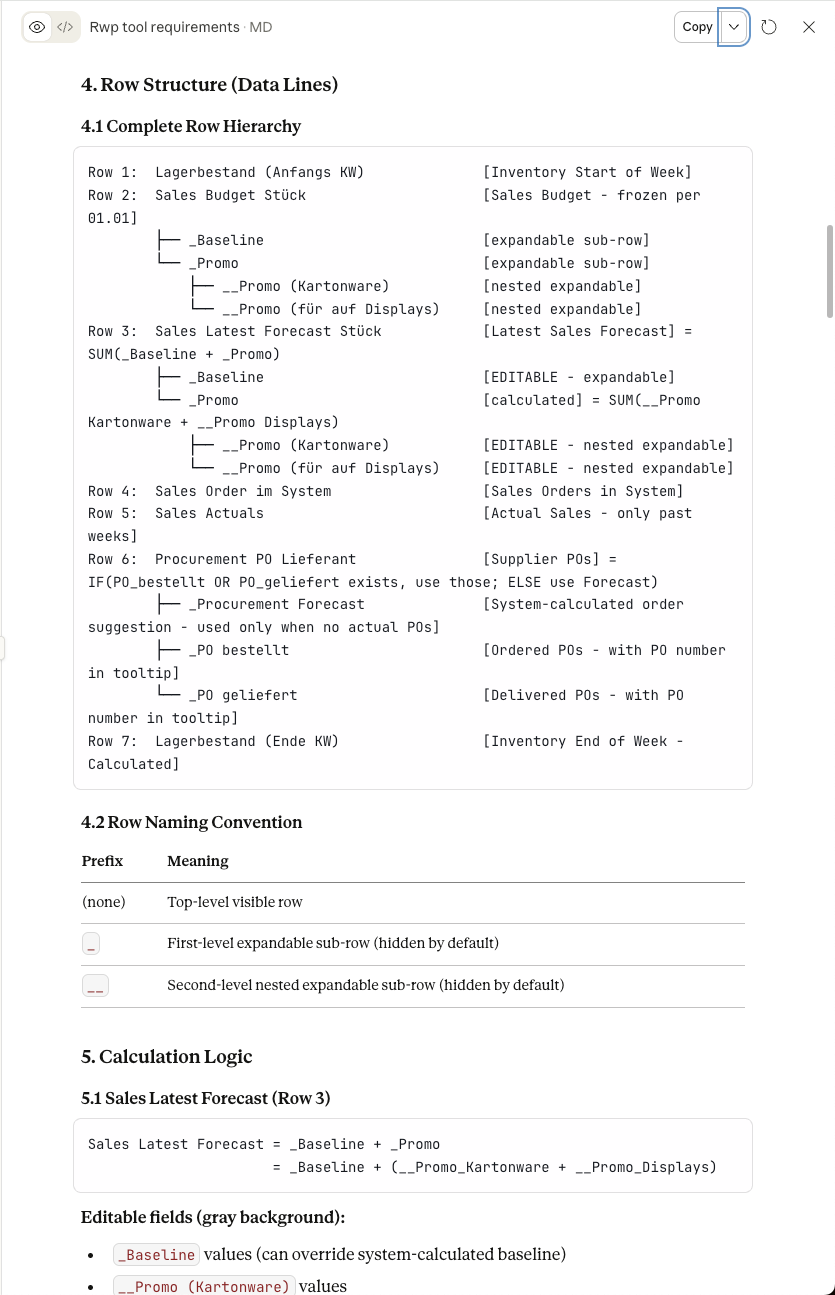
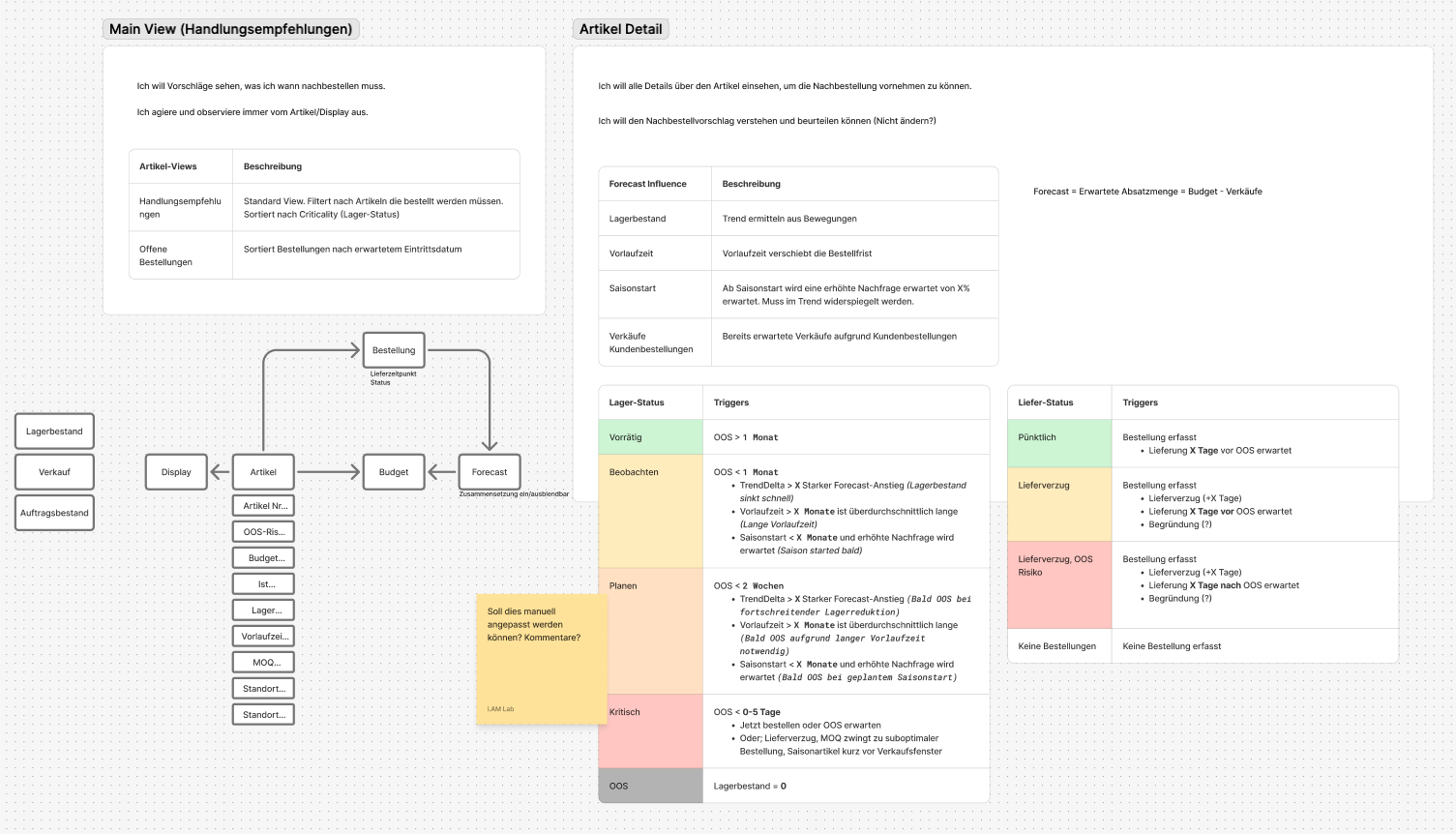
When we have gathered the requirements and made sense of what we are trying to achieve, we layout the core user interface and navigation. We make the screens in Figma using the same user interface parts that the developers will use later through a shared component library (in this case the MUI Component Library). This way the designs are real. We do not have to worry about the design and the actual product being different. With Figma MCP, Requirements Doc and Cursor we add interactivity to the prototype by bridging the initial figma screens with the written requirements in an AI Code Editor.
When clients only see pictures of the design it is hard for them to really understand how the product will work. As soon as the people involved can use the product themselves, the feedback we get is much more useful. They can see where things are not clear, where the product does not work the way they thought it would or where it is too complicated.
The Interactive Prototypes also make it faster to make changes. When the core foundation is built and working, additional feature or change requests can be documented and built into the product in hours rather than days. We can try out ideas quickly and the design and the way the product works can be improved together. This means we can keep making the product better and better. Each time we do this the product gets closer to what the users need.
The good thing about AI in making products is that it does not replace the part that people do. People are still needed to think of ideas and to make big decisions. What AI does is make the process easier. It helps us do paperwork faster and to organize our ideas. It helps us make prototypes quickly. This means we have time to solve the real problems that users have.
When people work together and use AI to help with the process we can make products faster and make sure everyone is on the same page. This is how digital products should be made now.
If you want to know more about how artificial intelligence can help with making products and testing them quickly we can tell you about what we do and what we have learned.
Whether you want to explore the workflow, discuss a product idea, or implement a similar process in your organization, feel free to get in touch with us.
We would love to hear about your ideas and show you how AI-powered prototypes can make it easier to develop your products.